
Explore Greesn Grow Bag Categories
Do grow bags actually work?
Yes, grow bags actually work very well and are widely used by home gardeners, terrace gardeners, and urban farmers. Grow bags provide excellent drainage, healthier roots, and better plant growth compared to traditional plastic pots. They are especially useful for people with limited space, such as balconies, terraces, and rooftops.
What Grow Bags Are
Grow bags are fabric containers made from breathable materials like felt or geotextile fabric. Unlike plastic pots, they allow air and water to pass through the sides, improving root health.
Benefits of Using Grow Bags
1. Healthier Root Growth
Grow bags promote air pruning, which stops roots from circling and encourages strong, fibrous root systems.
2. Excellent Drainage
Excess water drains easily, reducing the risk of root rot and fungal diseases.
3. Better Temperature Control
Fabric material prevents overheating and keeps roots cooler during hot weather.
4. Lightweight and Portable
Grow bags are easy to move, store, and rearrange, making them perfect for terrace and balcony gardening.
5. Eco-Friendly Option
Most grow bags are reusable and more environmentally friendly than plastic containers.
Do Grow Bags Have Any Disadvantages?
Yes, but they are manageable:
- Grow bags dry faster, so watering may be needed more frequently.
- Large plants need extra support (stakes or cages).
- Low-quality bags may wear out after 1–2 seasons.
Best Plants to Grow in Grow Bags
Grow bags are ideal for:
- Tomatoes
- Potatoes
- Chillies & Capsicum
- Spinach (Palak)
- Fenugreek (Methi)
- Brinjal (Eggplant)
- Okra (Lady Finger)
- Leafy greens
- Herbs like mint, coriander, basil
What Size Grow Bag Is Best?
| Plant Type | Recommended Size |
|---|---|
| Leafy greens | 6–8 inches |
| Chillies & herbs | 10–12 inches |
| Tomatoes & brinjal | 12–15 inches |
| Potatoes | 15–18 inches |
Tips to Get Best Results from Grow Bags
- Use high-quality potting mix (soil + compost + cocopeat)
- Water regularly but avoid waterlogging
- Place grow bags in direct sunlight (6–8 hours)
- Elevate bags slightly for better airflow
- Add organic fertilizers every 10–15 days
Are Grow Bags Better Than Pots?
| Feature | Grow Bags | Plastic Pots |
|---|---|---|
| Drainage | Excellent | Moderate |
| Root health | Very good | Average |
| Weight | Lightweight | Heavy |
| Heat control | Better | Can overheat |
Grow bags are often better for vegetables, especially in Indian weather conditions.
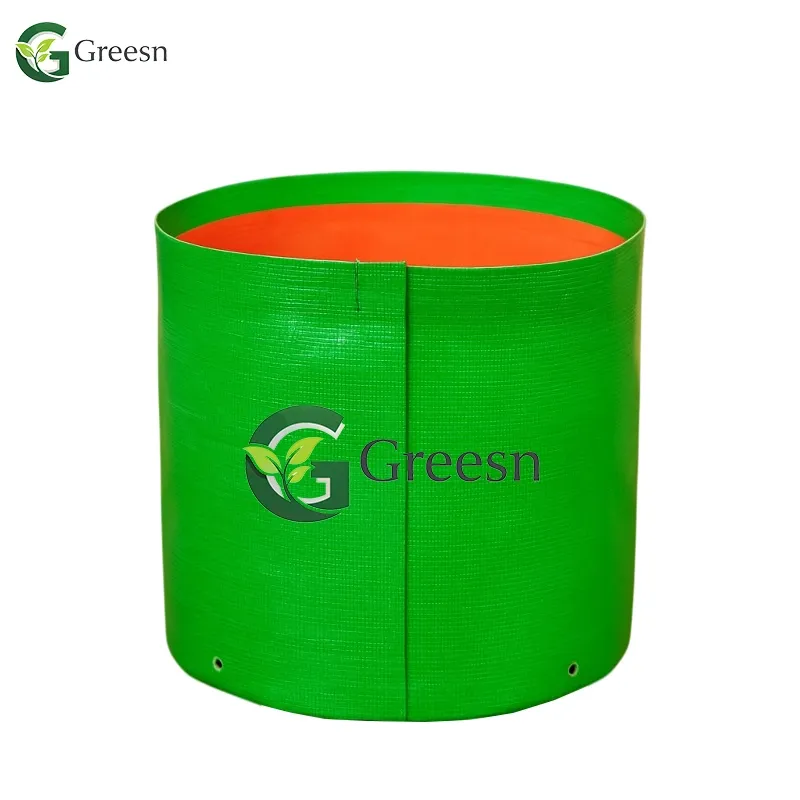
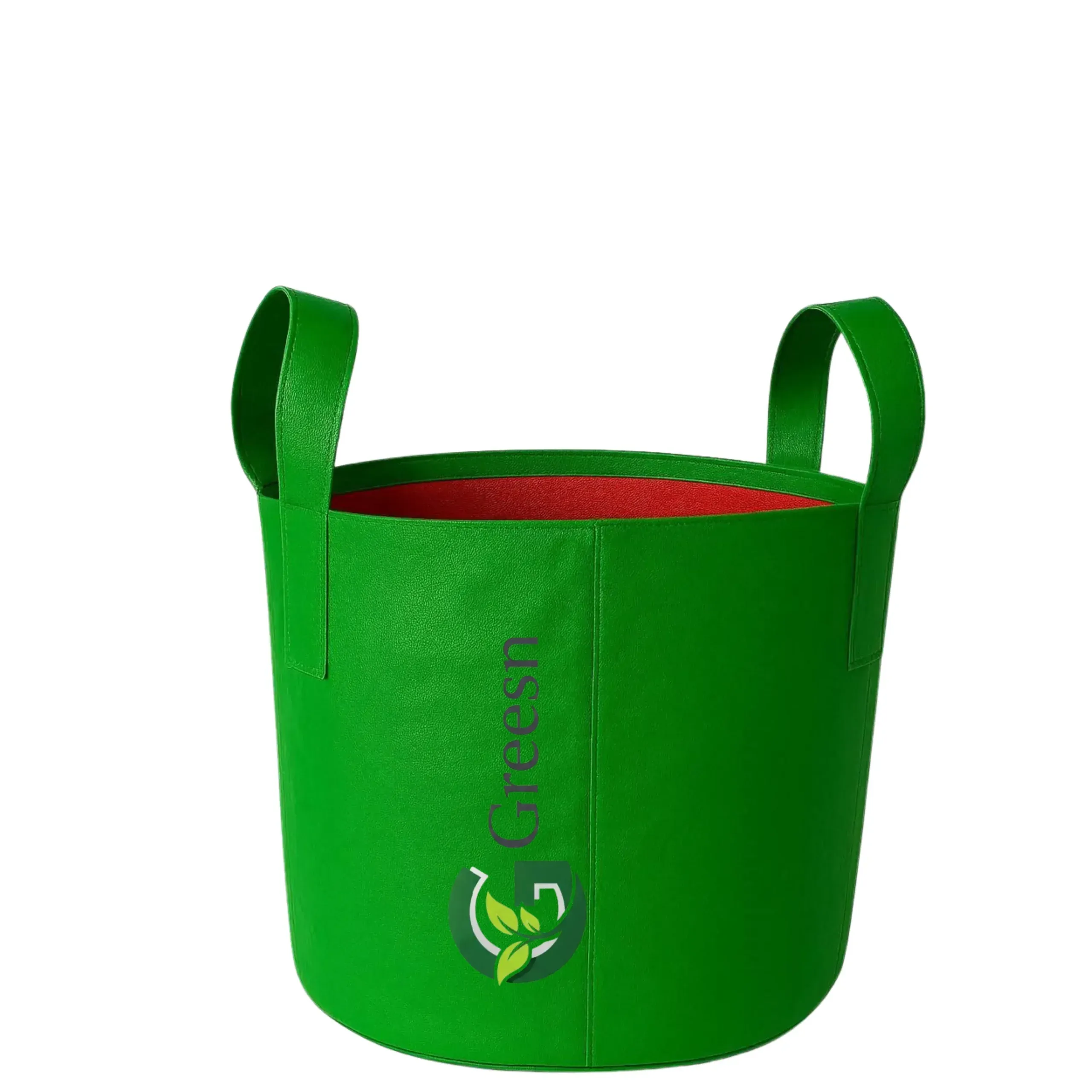
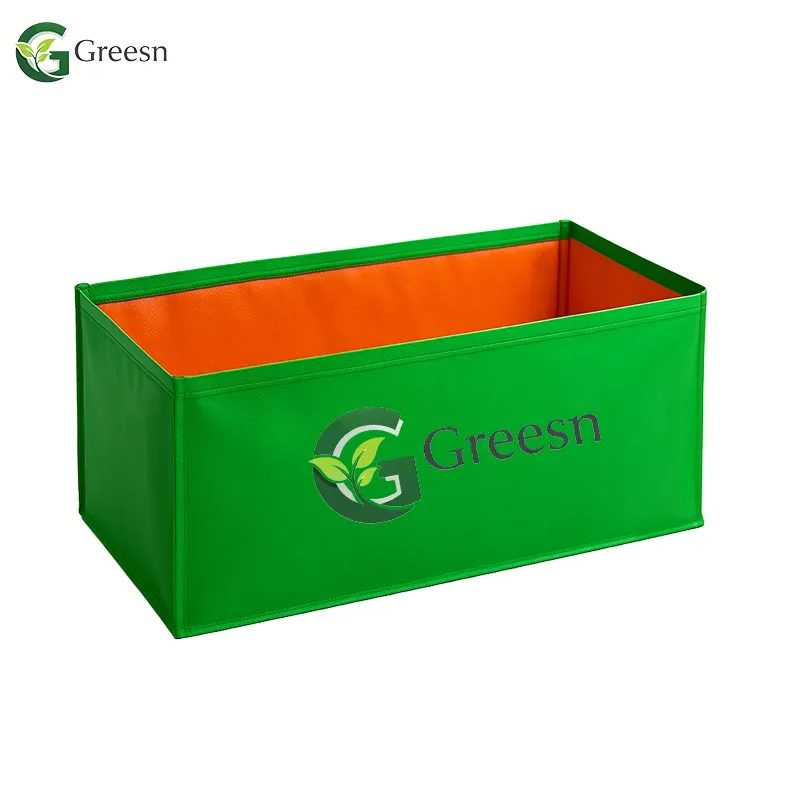
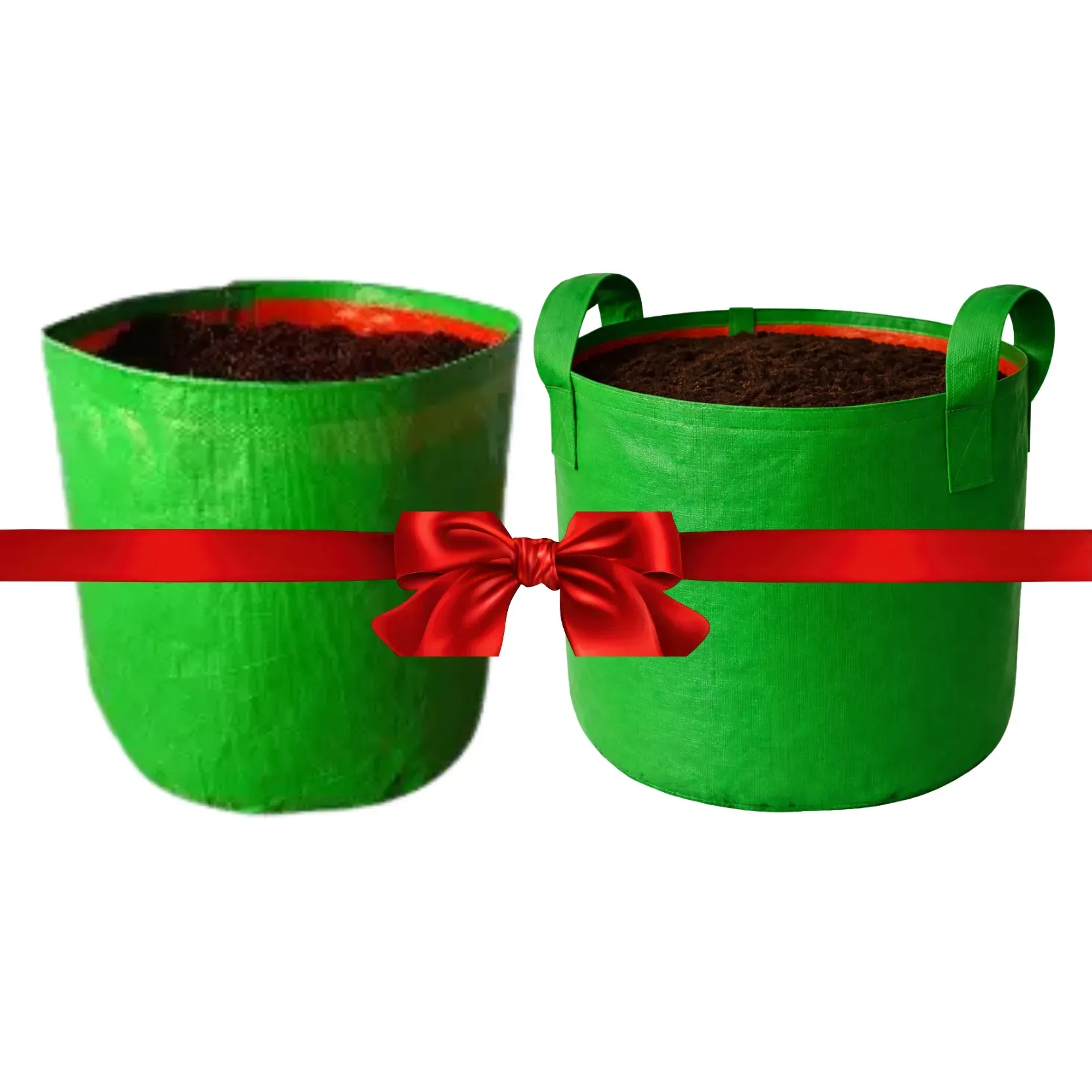
| Circle Growbags | Rectangular Growbags | New Launch Growbags |
|---|---|---|
| 9×9 | 12x12x12 | 9x9handle |
| 10×10 | 10x10x10 | 10x10handle |
| 12×15 | 60x12x12 | 12x12handle |
| 15×15 | 15x15x15 | 10x10x10handle |
| 24×24 | 24x24x12 | 15x15x15handle |
What are growbags used for?
Grow bags are used for growing plants in a controlled container environment. They are mainly used in home gardening, terrace gardening, balcony gardening, and small farms to grow vegetables, fruits, herbs, and flowers. Grow bags act as an alternative to traditional pots and ground soil, offering better root growth and drainage.
Main Uses of Grow Bags
1. Growing Vegetables
Grow bags are widely used to grow vegetables such as:
- Tomatoes
- Chillies
- Brinjal
- Okra
- Spinach
- Fenugreek
- Cabbage
- Cauliflower
They allow vegetables to grow healthy roots and produce better yields.
2. Terrace & Balcony Gardening
Grow bags are perfect for people with:
- Limited space
- No garden soil
- Apartments and flats
They are lightweight and easy to move, making them ideal for terraces and balconies.
3. Growing Fruits in Containers
Many fruits grow well in grow bags, including:
- Strawberries
- Watermelon (small varieties)
- Papaya (dwarf varieties)
- Lemon
- Pomegranate
4. Growing Herbs & Leafy Greens
Grow bags are commonly used for:
- Coriander
- Mint
- Basil
- Curry leaves
- Lettuce
- Palak
Leafy greens grow especially fast in grow bags.
5. Potato & Root Crop Farming
Grow bags are excellent for:
- Potatoes
- Carrots
- Radish
- Beetroot
They make harvesting easy—just open or tip the bag.
6. Nursery & Seedling Raising
Grow bags are used to:
- Start seeds
- Raise saplings
- Transplant young plants safely
They reduce transplant shock.
7. Organic & Kitchen Gardening
Grow bags are ideal for:
- Chemical-free home vegetables
- Kitchen waste compost use
- Sustainable gardening
Why Grow Bags Are Used Instead of Pots
| Feature | Grow Bags | Plastic Pots |
|---|---|---|
| Drainage | Excellent | Moderate |
| Root growth | Healthy | Restricted |
| Weight | Lightweight | Heavy |
| Heat control | Better | Poor |
| Portability | Easy | Difficult |
Best Grow Bag Sizes by Use
| Use | Recommended Size |
|---|---|
| Herbs & greens | 6–8 inches |
| Vegetables | 10–12 inches |
| Large plants | 12–18 inches |
| Fruit plants | 18–24 inches |
| Circle Growbags | Rectangular Growbags | New Launch Growbags |
|---|---|---|
| 9×9 | 12x12x12 | 9x9handle |
| 9×12 | 10x10x10 | 10x10handle |
| 10×10 | 60x12x12 | 12x12handle |
| 12×09 | 15x15x15 | 15x15handle |
| 12×12 | 24x24x12 | 10x10x10handle |
| 24×24 | 24x12x12 | 15x15x15handle |
What Is in a Grow Bag?
A grow bag contains two essential components:
- The grow bag container
- The growing medium (soil mix) inside it
Together, these provide an ideal environment for healthy plant growth.
1. Grow Bag Container (Outer Material)
Grow bags are made from durable and breathable materials such as:
- HDPE (High-Density Polyethylene) – UV-treated, long-lasting
- Geo-fabric / fabric grow bags – breathable, promotes root air pruning
Features of a Grow Bag:
- Drainage holes for excess water
- Breathable sides for healthy roots
- Lightweight and reusable
- Suitable for terrace and balcony gardening
2. Grow Bag Soil Mix (Inside the Bag)
Grow bags are filled with a lightweight, well-draining soil mix, not plain garden soil.
Standard Grow Bag Soil Mix Ratio:
Garden Soil : Compost : Cocopeat = 1 : 1 : 1
Ingredients Explained:
- Garden soil – gives structure and stability
- Compost / vermicompost – provides nutrients
- Cocopeat – retains moisture and improves aeration
Optional Add-ons for Better Growth
To boost plant health, gardeners often add:
- Neem cake powder – natural pest control
- Bone meal – strong roots and flowers
- Perlite or river sand – better drainage
- Cow dung compost – organic nutrition
Example Grow Bag Mix for Vegetables
For vegetables like tomatoes, chillies, brinjal:
- 40% garden soil
- 30% compost or vermicompost
- 30% cocopeat
- 1–2 handfuls of neem cake
What Should NOT Be in a Grow Bag?
- Clay or heavy soil only
- Water-logged mud
- Chemical-only fertilizers
- Construction sand
These can damage roots and block drainage.
Why the Right Grow Bag Mix Is Important
- Better air circulation for roots
- Proper drainage prevents root rot
- Balanced nutrients increase yield
- Healthy root growth improves plant life
Uses of Grow Bags
Grow bags are ideal for:
- Vegetables
- Fruits
- Herbs
- Flowers
- Seedlings and saplings
They are widely used in home gardening, terrace gardening, and balcony gardening.
Do Grow Bags Really Work?
Yes — grow bags really work and are a reliable solution for container gardening. Whether you’re growing vegetables, herbs, leafy greens, or flowers, grow bags can help you get healthier plants and better yields than many traditional containers. They are especially useful for balcony, terrace, rooftop, and small-space gardens.
Why Grow Bags Work
1. Healthier Root Growth
Grow bags are made from breathable fabric or porous plastic. This lets air reach the soil from the sides, which naturally prunes roots — preventing circling and encouraging a dense and fibrous root system that improves plant growth.
2. Improved Drainage
The fabric or breathable material allows excess water to drain out easily, reducing the risk of waterlogging and root rot. This is a major advantage over traditional plastic pots.
3. Better Temperature Control
Grow bags help regulate soil temperature. The breathable material keeps roots cooler during heat and reduces stress on plants — especially beneficial in hot climates.
4. Lightweight & Portable
Grow bags are easy to move and rearrange, which makes them perfect for urban gardeners who may need to shift plants for sunlight or weather protection.
5. Ideal for Small Spaces
If you don’t have ground space — like in apartments or terraces — grow bags allow you to grow just as effectively in a compact area.
When Grow Bags Work Best
Grow bags are especially effective for:
- Vegetables (tomatoes, chillies, brinjal)
- Leafy greens & herbs (spinach, lettuce, coriander, mint)
- Root crops (potatoes, carrots, beetroot)
- Flowers and ornamentals
They’re also excellent for seedlings and saplings before transplanting.
Grow Bags vs Plastic Pots
| Feature | Grow Bags | Plastic Pots |
|---|---|---|
| Root health | ⭐⭐⭐⭐ | ⭐⭐ |
| Drainage | ⭐⭐⭐⭐ | ⭐⭐ |
| Heat control | ⭐⭐⭐ | ⭐⭐ |
| Portability | ⭐⭐⭐⭐ | ⭐⭐ |
| Cost (small) | ⭐⭐⭐ | ⭐⭐⭐⭐ |
Grow bags often outperform plastic pots in plant health and drainage, though plastic pots can be cheaper initially.
Common Misconceptions
“Grow bags dry out too fast.”
Truth: They dry faster, but that’s a benefit — you avoid overwatering. Just water based on your plant’s needs.
“They break quickly.”
Truth: High-quality fabric or thick HDPE grow bags can last several seasons.
Greesn Tips to Make Grow Bags Work Even Better
- Use a good soil mix (soil + compost + cocopeat)
- Water deeply but less often
- Elevate bags for airflow
- Add organic fertilizer every 10–15 days
- Support tall plants with stakes or cages
What Is a Grow Bag Used For?
A grow bag is used for growing plants in a container instead of directly in the ground. It is mainly used in home gardening, terrace gardening, balcony gardening, and small-space gardening to grow vegetables, fruits, herbs, and flowers.
Grow bags act as a flexible alternative to traditional pots and garden soil.
Main Uses of Grow Bags
1. Growing Vegetables
Grow bags are commonly used to grow vegetables such as:
- Tomatoes
- Chillies
- Brinjal (Eggplant)
- Okra (Lady’s Finger)
- Spinach (Palak)
- Fenugreek (Methi)
They provide good drainage and healthy root growth.
2. Terrace and Balcony Gardening
Grow bags are ideal for:
- Apartments and flats
- Rooftop gardens
- Small balconies
They are lightweight, easy to move, and don’t require ground soil.
3. Growing Fruits in Containers
Certain fruits grow well in grow bags, including:
- Strawberries
- Lemon
- Pomegranate (dwarf varieties)
- Papaya (small varieties)
4. Growing Herbs and Leafy Greens
Grow bags are perfect for:
- Coriander
- Mint
- Basil
- Curry leaves
- Lettuce
Leafy greens grow faster due to better aeration.
5. Growing Root Crops
Grow bags are widely used for:
- Potatoes
- Carrots
- Radish
- Beetroot
Harvesting is easy—just open or empty the bag.
6. Seedlings and Saplings
Grow bags are used to:
- Start seeds
- Raise nursery plants
- Reduce transplant shock
Why Grow Bags Are Used Instead of Pots
| Feature | Grow Bags | Plastic Pots |
|---|---|---|
| Drainage | Excellent | Average |
| Root growth | Healthy | Restricted |
| Weight | Lightweight | Heavy |
| Heat control | Better | Poor |
| Circle Growbags | Rectangular Growbags | New Launch Growbags |
|---|---|---|
| 9×9 | 12x12x12 | 9x9handle |
| 9×12 | 10x10x10 | 10x10handle |
| 18×09 | 60x12x12 | 12x12handle |
| 18×18 | 15x15x15 | 15x15handle |
| 12×12 | 24x24x12 | 10x10x10handle |
| 24×24 | 24x12x12 | 15x15x15handle |
What is the difference between a grow bag and compost?
What Is Compost?
Compost is nutrient-rich organic matter that is added to soil or grow bags to improve plant growth.
Key Features:
- Made from decomposed organic materials like kitchen waste, leaves, and manure
- Improves soil fertility and texture
- Provides essential nutrients (nitrogen, phosphorus, potassium)
- Helps retain moisture and promotes healthy root growth
Key Differences Between Grow Bag and Compost
| Feature | Grow Bag | Compost |
|---|---|---|
| Type | Container | Soil amendment / nutrient source |
| Purpose | Holds soil and plants for growth | Feeds plants and improves soil |
| Material | Fabric / plastic | Organic matter (decomposed leaves, manure, kitchen waste) |
| Usage | Planting vegetables, herbs, fruits, flowers | Mixed into soil or grow bags for nutrients |
| Longevity | Reusable for multiple seasons | Consumed by plants, needs replenishing |
How They Work Together
- Grow bags are the container that holds the soil and plants.
- Compost is added to the soil inside the grow bag to provide nutrients.
- Without compost, plants in grow bags may grow poorly because the soil lacks sufficient nutrients.
Simple Example
- You fill a grow bag with soil + compost + cocopeat.
- The grow bag holds everything and keeps the plant stable.
- The compost feeds the plant, helps retain moisture, and improves soil quality.
Grow Bags vs Pots – Which Is Better for Gardening?
Introduction
If you are gardening in small spaces, terraces, balconies, or even your backyard, you may wonder: should I use a grow bag or a pot? Both have advantages, but understanding the differences can help you choose the best option for your plants.
1. Root Health
- Grow Bags:
- Made of breathable fabric or geo-textile, which allows air to reach the roots.
- Promotes air pruning, preventing roots from circling and creating a dense, fibrous root system.
- Pots:
- Typically rigid plastic or clay.
- Roots may circle along the edges, which can reduce nutrient uptake over time.
Winner: Grow bags, for healthier roots.9×9
2. Drainage
- Grow Bags:
- Excellent drainage due to breathable material and side air holes.
- Reduces the risk of root rot and overwatering.
- Pots:
- Drainage depends on bottom holes.
- Risk of waterlogging if holes are too small.
Winner: Grow bags.18×09
3. Temperature Control
- Grow Bags:
- Breathable fabric keeps roots cooler in hot weather.
- Plastic Pots:
- Can overheat in direct sunlight, stressing plants.
- Clay Pots:
- Natural material can help regulate temperature but are heavier and can crack.
Winner: Grow bags for hot climates.24x12x12
4. Portability
- Grow Bags: Lightweight and easy to move, foldable for storage.
- Pots: Plastic pots are also light, but clay pots are heavy and fragile.
Winner: Grow bags for easy mobility.15x15x15handle
5. Durability
- Grow Bags:
- Fabric bags may last 2–3 seasons, some high-quality geo-fabric lasts longer.
- Plastic Pots:
- Can last many years, but may crack in strong sunlight.
- Clay Pots:
- Very durable but breakable if dropped.
Winner: Depends — plastic pots last longer, but grow bags last long enough for most home gardening. 12x12handle
6. Cost
- Grow Bags: Generally cheaper per plant, especially for medium to large plants.
- Pots: Clay or designer pots can be expensive. Plastic pots are comparable in price to mid-range grow bags.
7. Best Uses
| Container | Best For |
|---|---|
| Grow Bags | Tomatoes, chillies, leafy greens, potatoes, terrace/balcony gardening |
| Plastic Pots | Small herbs, flowers, decorative plants |
| Clay Pots | Indoor plants, ornamental flowers, decorative purposes |
Conclusion – Which Is Better?
- For vegetables, herbs, and small-space gardening: Grow bags are generally better. They promote healthy roots, better drainage, temperature control, and are portable.
- For decorative plants or long-term indoor plants: Pots (clay or plastic) can be suitable, especially for aesthetics and durability.
Tip: Many gardeners use a combination of both — grow bags for edible plants and pots for ornamental plants.
Biggest Killer of Indoor Plants: Overwatering
Why Overwatering Is So Dangerous
- Roots need oxygen to survive. Too much water fills the air spaces in soil, suffocating roots.
- Overwatered plants often develop root rot, a fungal disease that kills roots quickly.
- Symptoms of overwatering include:
- Yellowing leaves
- Drooping or wilting despite moist soil
- Mushy stems
- Foul smell from soil
Other Common Indoor Plant Killers
- Underwatering
- Leaves dry out, curl, or fall off.
- Soil pulls away from pot edges.
- Poor Light Conditions
- Too little light → weak, leggy growth
- Too much direct sun → scorched leaves
- Pests
- Spider mites, mealybugs, aphids
- Can stunt growth and spread disease
- Wrong Temperature & Humidity
- Extreme cold or heat shocks plants
- Low humidity causes brown leaf edges
- Using the Wrong Soil
- Dense soil → poor drainage → root rot
- Lacks nutrients → slow growth
Greesn Tips to Prevent Indoor Plant Death
- Use well-draining soil (potting mix with perlite or cocopeat)
- Water only when the top 1–2 inches of soil are dry
- Ensure pots have drainage holes
- Place plants in adequate light based on species
- Maintain moderate temperature and humidity
What is the meaning of grow bag?
Meaning of Grow Bag
A grow bag is a container used to grow plants, usually made of fabric, geo-textile, or durable plastic, instead of planting directly in the ground.
It is designed to hold soil, compost, and other growing mediums to provide an ideal environment for plants like vegetables, herbs, fruits, and flowers.
Grow bags are especially useful for home gardening, terrace gardening, balcony gardens, and small spaces.
Key Features of a Grow Bag
- Breathable material: Air reaches the roots for healthy growth.
- Drainage holes: Prevents waterlogging and root rot.
- Portable & lightweight: Easy to move and store.
- Reusable: Can last several planting seasons.
Why Grow Bags Are Used
- For growing vegetables, herbs, fruits, and flowers indoors or outdoors.
- For seedlings and saplings to reduce transplant shock.
- To grow plants where there is limited garden space.
- For better root health, drainage, and aeration compared to regular pots.
Simple Example
If you want to grow tomatoes on your balcony:
- Take a 12×12 inch grow bag.
- Fill it with soil + compost + cocopeat.
- Plant the tomato seedling.
- Water and place in sunlight.
The grow bag acts as a portable mini-garden that helps your plant thrive.
Join Greesn. Grow with us. Let’s build a greener future together.
Why Choose Growbags for Growing Tomatoes? The Ultimate Guide to Healthier, Tastier Harvests
The Advantages of Growbags Over Traditional Containers
When it comes to growing tomatoes, choosing the right container can make all the difference. Growbags offer a range of benefits that make them a top choice for both new and experienced gardeners. Unlike traditional pots, grow bags provide excellent drainage and aeration, which are crucial for healthy tomato roots. This means your tomato plants are less likely to suffer from root rot or become waterlogged—a common issue in dense containers.
How Growbags Improve Tomato Plant Health and Yield
Another advantage of growing tomatoes in grow bags is their portability. Whether you’re gardening on a balcony, patio, or moving your plants to catch more sunlight, grow bags are lightweight and easy to relocate. This flexibility allows you to create the ideal environment for your bag of tomatoes as the season progresses.
Choosing the Right Size and Material for Tomato Growbags
- Growbags also promote robust root systems by encouraging air-pruning—when roots reach the edge of the fabric bag, they naturally stop growing outward and branch within the soil. This results in healthier plants and ultimately better yields of tomatoes in bags compared to traditional pots.
- If you’re searching online for “grow bags near me,” you’ll find a variety of options including plant bags made from breathable materials designed specifically for vegetables like tomatoes. These potting bags for plants come in different sizes to accommodate everything from compact cherry varieties to large heirloom types.


Setting Up Growbags: Soil Mixes and Placement Tips
A recommended soil mix is two parts quality potting soil, one part well-rotted compost, and a handful of perlite or vermiculite for added aeration. Fill your grow bag about three-quarters full before planting; this gives roots plenty of room while allowing space at the top for watering.
Caring for Tomatoes in Growbags: Watering and Fertilizing Strategies
As your tomato plants mature inside their plant bags or potting bags for plants, keep an eye on moisture levels—growbags tend to dry out faster than traditional pots due to increased airflow. Water consistently but ensure excess water can drain freely from the bottom.
Troubleshooting Common Issues When Using Growbags
By following these tips on growing in grow bags and using suitable soil mixes, you’ll enjoy thriving tomato harvests right at home—whether you’re an urban gardener or simply seeking portable gardening solutions!
Grow Bag FAQs
